



Learning to Stop Taking Other People’s Emotions Personally and Build Healthier Relationships
Author: Skminc
Website: https://skmarketsinc.com
“Don’t take anything personally. Nothing others do is because of you.” — Don Miguel Ruiz

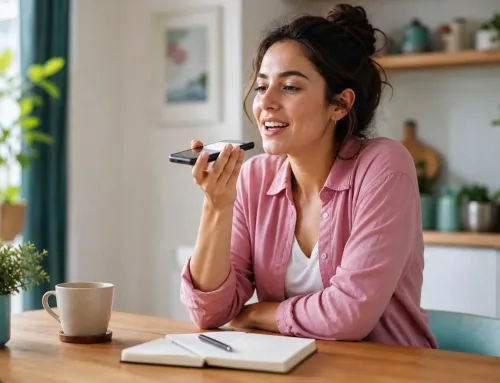
A thoughtful woman sitting with her phone, reflecting on anxiety, emotional awareness, and relationship communication.
Article Category: Relationships | Emotional Wellness | Personal Growth
Why We Sometimes Assume Other People’s Feelings Are About Us
I used to walk into a room and check everyone else’s emotional temperature before I noticed my own.
A tightened jaw meant I should get quieter. A distracted answer meant I’d done something wrong. If my partner sighed while unloading the dishwasher, I’d go back through the last hour looking for the mistake that caused it.
I called this empathy. It felt like attentiveness, and honestly, I was proud of it, because I noticed things other people missed.
What I didn’t see was that I wasn’t only noticing other people’s feelings. I was borrowing them, wrapping a story around them, and then carrying that story as evidence about myself.
The Night That Changed Everything

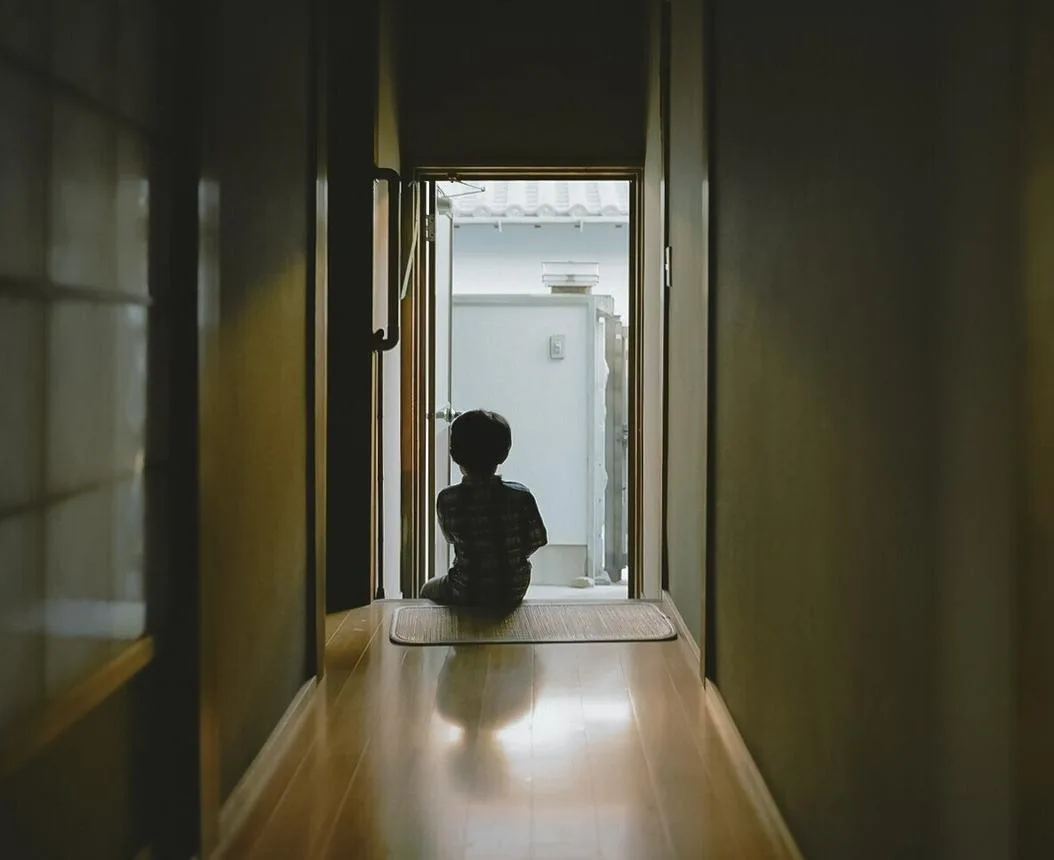
Waiting anxiously for a text back.
One evening I messaged my partner, who was staying at his sister’s that week, and asked if he wanted to talk. He replied four minutes later:
Can’t talk tonight
I noticed immediately—the missing period. That tiny absence revealed a lot about me then.
I stared at those three words until they rearranged themselves. Maybe he was angry. Maybe I’d been asking for too much. Maybe “tonight” was a gentle way of saying “anymore.”
I typed, “Is everything okay?” and deleted it because it sounded needy.
I typed, “No worries!” and deleted that too—the exclamation point felt fake.
Then I carried my phone from room to room for three hours.
I washed a mug that was already clean.
I opened the fridge, looked at a jar of olives, and closed it.
Every time I checked whether he was online, I turned the result—whatever it was—into evidence against myself.
By eleven I had invented an entire story out of nothing: a timeline, a probable cause, and a script of what I would say when he finally admitted what was wrong.
Near midnight I sent:
Did I do something?
He answered the next morning.
He’d had a headache, gone to bed at nine, and hadn’t been thinking about me at all.
Relief came first.
Embarrassment followed.
Underneath both was something quieter.
I’d lost an entire evening to a feeling that wasn’t mine and a story nobody had told me.
His possible disappointment had become my panic.
His silence had become my verdict.
Where This Habit Begins

That night wasn’t an isolated overreaction.
It was a skill I’d been practicing since I was small.
As a kid, I could tell what kind of evening it would be from the sound of keys at the front door.
Whether a cupboard closed or got closed.
And whether a question got a full answer or a clipped one.
Nobody told me to monitor the weather in the house.
I just learned that predicting a mood gave me a few seconds to prepare.
My brother learned to leave the room.
I learned to stay and read the air.
That sensitivity came with me into adulthood, where it stopped protecting me and started running me.
I treated ordinary pauses like sirens.
From the outside I probably looked easygoing.
Inside I was adjusting constantly—changing the subject when someone shifted in their chair, softening an honest opinion before anyone objected.
The more attention I gave to everyone else’s mood, the harder it became to find my own.
If someone was disappointed, I felt ashamed.
Also, when someone went distant, I got frantic.
This didn’t make me kinder.
It made my care anxious and a little controlling.
I don’t love admitting the next part.
When my partner came home flattened by a bad day that had nothing to do with me, I kept asking what was wrong—in a softer and softer voice—until he ended up comforting me about his own bad day.
I wanted closeness.
My monitoring was the thing standing in the way of it.
I was in a relationship with my predictions instead of the person in the kitchen.
What Actually Helped

Journaling emotions and practicing self-awareness.
The first thing that helped was small enough to feel like nothing.
I started naming the feeling before I explained it.
When a message went unanswered, I’d try:
“I feel anxious.”
Instead of: “He’s ignoring me.”
One of those describes what’s happening in my chest.
The other claims to know what’s happening inside someone else’s head.
Almost all of my suffering lived in the space between those two sentences.
Anxiety can be felt without being obeyed.
A story about rejection demands action immediately.
I also gave myself ten minutes before sending the anxious text.
Without scrolling.
No rereading old conversations.
And not drafting a fourth polite version of the same question.
The feeling in those ten minutes was usually more specific than I expected.
- Tight chest dropping sensation like missing a step on the stairs
And when I did reach out, I tried to ask one clean question instead of a loaded one.
“You seemed quiet earlier. Is something on your mind?”
Leaves room for an answer I hadn’t already written for them.
“Are you mad at me?” Doesn’t leave that room.
It hands my fear across the table and asks someone else to carry it.
The Difference Between Awareness and Assumption
One of the biggest lessons from this experience is that emotional awareness becomes healthier when it includes ourselves—not just everyone around us.
Being observant isn’t the same as being responsible for another person’s emotions.
Sometimes silence is just silence.
And Sometimes a short text is simply a short text.
Learning to pause before creating a story can protect relationships from unnecessary misunderstandings and help us respond with curiosity instead of fear.
Practical Takeaways for Emotional Resilience
If you often worry that other people are upset with you, these small habits can help:
- Name your feeling before explaining someone else’s behavior.
- Wait ten minutes before reacting to anxious assumptions.
- Ask clear, open-ended questions.
- Separate facts from interpretations.
- Remember that another person’s mood isn’t automatically about you.
These practices don’t erase anxiety overnight, but they create space for healthier communication and greater emotional confidence.
Continue Your Personal Growth Journey
At Success King Marketing Inc, we believe personal growth and emotional intelligence go hand in hand with success in business and life.
Recommended eBooks from Our Shop

The AI Customer Journey Blueprint
Discover how AI improves customer relationships and business growth.

Actionable strategies for growing your online presence.

Business and Investment Tips 2026
Practical insights for modern entrepreneurs.

Success in Business Online Course
Build stronger business skills with practical growth strategies.
Shop now: https://skmarketsinc.com
Helpful Resources & Affiliate Recommendations
Explore trusted resources designed to help you grow personally and professionally.
- ClickBank Digital ProductsExplore bestselling self-improvement, business, and wellness products.
 Amazon DealsFind books, productivity tools, and lifestyle products.
 Amazon Deals
- Travel Booking ServicesSave on hotels, flights, and vacation planning.
 Travel Booking Services
- Real PPV TrafficDrive targeted visitors to your website and online business.
 Real PPV Traffic
Related Blog Insights Articles
Continue exploring topics that support personal growth, emotional resilience, and business success.
- Are You Emotionally Reactive? You May Be Stuck in Survival Mode
- Stop Chasing Everything: The Hidden Power of Contentment
- What Is Happiness Without Love?
- The AI Customer Journey Blueprint
- Why AI Is Changing Trust, Content, and Customer Relationships
Find more insights at Success King Marketing Inc: https://skmarketsinc.com