
Parenting Tips for a Healthy Home
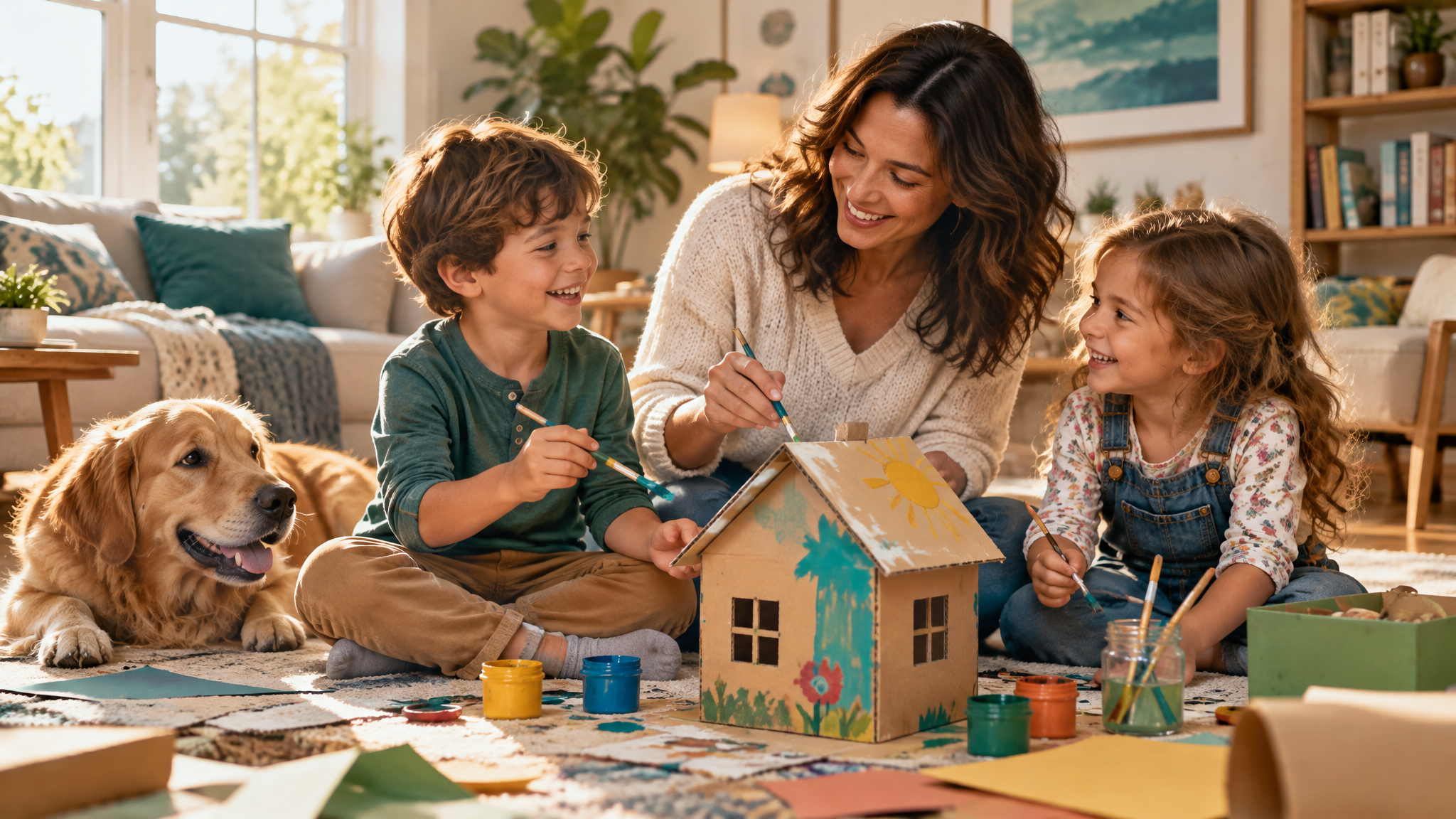
Discover practical parenting strategies, positive communication habits, and healthy family routines that help children feel secure, build confidence, and thrive at home.
A healthy home is more than a clean and organized living space. It is an environment where children feel loved, respected, supported, and encouraged to grow. The habits parents establish, the words they use, and the relationships they nurture can influence a child's confidence, emotional well-being, and future behavior.
Building a healthy family environment does not require perfect parenting. It requires patience, consistency, understanding, and a willingness to learn together.
In this guide, we explore practical parenting tips for a healthy home, including positive discipline, family communication, emotional support, daily routines, and meaningful bonding activities.
Whether you are raising young children or guiding teenagers, these strategies can help you create a more peaceful, supportive, and connected family life.
- Consistency in Parenting Matters Children benefit from knowing what to expect. Consistent parenting helps them understand family rules, develop responsibility, and feel secure in their environment.
When expectations change constantly, children may become confused about acceptable behavior. Clear boundaries and predictable consequences help them learn what is expected.
How to practice consistency at home:
Establish age-appropriate household rules.
Create regular routines for meals, homework, play, and bedtime.
Explain consequences calmly before problems arise.
Recognize positive behavior and effort.
Make sure caregivers communicate and apply expectations consistently.
Consistency does not mean being rigid. Parents can adjust their approach as children grow and their needs change.
The goal is to provide dependable guidance while allowing children to develop independence.
- Positive Parenting Builds Confidence Positive parenting focuses on teaching, encouraging, and guiding children rather than relying primarily on punishment. It helps children understand their behavior while developing confidence and emotional awareness.
Children need correction when they make mistakes, but they also need encouragement when they try something difficult.
Praise meaningful effort, acknowledge progress, and give children opportunities to solve age-appropriate problems independently.
For example, instead of saying, "You never do anything right," try saying, "This was difficult, but let's work through it together."
Positive parenting also involves setting clear boundaries. Being supportive does not mean allowing every behavior. Parents can be loving and firm at the same time.
Practical tip: Focus on the behavior that needs improvement rather than labeling the child. Explain what happened, why it matters, and what can be done differently next time.
- Family Relationships and Communication Healthy communication helps family members feel heard and understood. It also creates opportunities to resolve disagreements before they develop into larger conflicts.
Children learn communication skills by observing how adults speak to one another. When parents demonstrate patience, honesty, and respect, they provide examples children can follow.
Listen Before You React When your child shares a concern, pause before responding. Ask questions to understand the situation instead of immediately assuming you know what happened.
Listening does not mean agreeing with everything a child says. It means giving the child an opportunity to explain their feelings and perspective.
Speak with Respect Avoid insults, humiliation, threats, and unnecessary shouting. When correcting behavior, explain the problem clearly and calmly.
For example, say, "We need to put the toys away before dinner," rather than attacking the child's character.
If you become frustrated, take a short pause when it is safe to do so. Return to the conversation when you can respond more thoughtfully.
Respectful communication teaches children that disagreements can be managed without damaging relationships.
- Child Development and the Role of Family Children develop at different rates. Their emotional, social, physical, and cognitive needs change as they grow.
A healthy home gives children opportunities to explore, ask questions, make mistakes, and develop new skills in an age-appropriate environment.
Parents can support development by:
Reading together and encouraging curiosity.
Providing opportunities for creative play.
Supporting friendships and social interaction.
Encouraging age-appropriate independence.
Celebrating progress without comparing children unnecessarily.
Seeking professional guidance when developmental concerns arise.
Family support can help children build resilience and confidence. However, every child is different, so parenting approaches should be adapted to individual needs.
- Emotional Support Helps Children Grow Children experience disappointment, fear, anger, excitement, and sadness. They need opportunities to recognize these emotions and learn healthy ways to manage them.
Instead of dismissing feelings, acknowledge them and help your child identify what may be causing them.
For example, you might say, "I can see that you are disappointed. Would you like to talk about what happened?"
This approach validates the emotion without necessarily approving every action associated with it.
Teach children simple coping strategies, such as taking slow breaths, asking for help, using words to describe feelings, or taking a quiet break when appropriate.
Parents should also recognize their own emotional needs. Managing stress, seeking support, and practicing self-care can make it easier to respond patiently to children.
A supportive home does not eliminate every difficulty. It helps family members face difficulties together.
- Home Shapes Character Children learn many important values through everyday family experiences. Honesty, kindness, responsibility, patience, and respect are strengthened when adults demonstrate these qualities consistently.
If you want your children to speak politely, use respectful language yourself. If you expect them to take responsibility, acknowledge your own mistakes and follow through on commitments.
Give children suitable opportunities to contribute to household life. Depending on their age, they might put away toys, organize school supplies, help prepare meals, or care for personal belongings.
These activities teach cooperation and accountability.
Remember that children will make mistakes. Use those moments as opportunities for guidance rather than expecting perfection.
- Family Bonding Ideas That Work Strong family relationships develop through regular moments of connection. You do not need expensive holidays or elaborate activities to build meaningful memories.
Simple routines can help family members feel closer and create opportunities for open communication.
Eat Together When schedules allow, share meals as a family. Use this time to discuss the day, share experiences, and enjoy one another's company.
Keep conversations welcoming rather than turning every meal into a discussion about grades, chores, or mistakes.
Create Daily Routines Predictable routines can reduce stress and make family responsibilities easier to manage.
Consider establishing regular times for waking up, preparing for school, completing homework, eating meals, and getting ready for bed.
Allow flexibility when circumstances change, and involve children in creating routines they can realistically follow.
Spend Screen-Free Time Together Set aside opportunities for family members to connect without phones, television, or other digital distractions.
Try board games, reading, cooking, gardening, walking, drawing, or outdoor play. Choose activities that match your family's interests and children's ages.
The most important factor is not the activity itself. It is the attention and connection family members give one another.
 Parents and children spending quality time together in a healthy home environment
- Healthy Home Habits for Stronger Families A healthy home supports both physical well-being and emotional security. Small, repeatable habits can make everyday family life more manageable.
Show Affection Often Express love through kind words, encouragement, appropriate physical affection, and attentive listening. Respect each child's comfort with physical touch and personal boundaries.
Children benefit from knowing they are valued even when they make mistakes.
Practice Forgiveness Every family experiences disagreements. Apologizing sincerely, accepting responsibility, and making amends can help rebuild trust.
Forgiveness does not mean ignoring harmful behavior or removing necessary boundaries. It means addressing problems constructively and working toward healthier interactions.
Model the Behavior You Want to See Children pay attention to what adults do, not just what they say.
Demonstrate patience during disagreements, honesty when mistakes occur, and respect when interacting with others. When you respond poorly, acknowledge it and show how to make things right.
Support Healthy Daily Choices Encourage balanced meals, regular physical activity, adequate sleep, personal hygiene, and suitable limits on screen time.
Make these habits a shared family effort rather than treating them only as rules imposed on children.
A supportive routine helps children understand that taking care of themselves is an important part of everyday life.
 Family building healthy home habits through shared activities and quality time
- Why Strong Families Matter Strong families provide children with opportunities to experience belonging, encouragement, guidance, and dependable support.
No family is perfect, and every household faces different challenges. Work pressures, financial concerns, school responsibilities, and personal disagreements can make family life demanding.
What matters is how family members respond to those challenges and whether they continue working toward a healthier environment.
Parents can strengthen family relationships by making time for one another, communicating openly, maintaining reasonable boundaries, and seeking help when necessary.
If family conflict becomes persistent or a child experiences significant emotional or behavioral difficulties, a qualified counselor, pediatrician, or family-support professional may provide additional guidance.
Investing in family well-being is an ongoing process. Small improvements, practiced consistently, can make a meaningful difference over time.
Conclusion: Build a Healthier Home One Day at a Time Creating a healthy home begins with everyday choices. Consistent parenting, positive communication, emotional support, meaningful family activities, and healthy routines can help children feel secure and develop important life skills.
You do not have to implement every strategy at once. Choose one habit to improve this week, involve your family where appropriate, and build on your progress.
Remember that effective parenting is not about being perfect. It is about showing up, learning from mistakes, and creating an environment where everyone has opportunities to grow.
Start today: Listen more carefully, speak more respectfully, spend meaningful time together, and model the values you want your children to develop.
A healthier home starts with small actions—and those actions can help build stronger family relationships for years to come.
Explore More Resources at Success King Marketing Inc. At Success King Marketing Inc., our goal is to help readers access practical digital resources, educational eBooks, and helpful articles for personal growth, family wellness, and everyday life.
Explore our digital marketplace for resources that support your learning and development.
Recommended eBook links to add from your shop:
Parenting and Families eBook — Add the direct product link for practical family guidance and parenting resources.
Self-Help eBooks — Link to your relevant personal development and emotional wellness guides.
Family Wellness Resources — Link to available products that support healthy habits and stronger relationships.
Blog Insights — Explore more articles on family life, personal growth, healthy habits, and self-improvement.
Call to action: Visit skmarketsinc.com to explore our eBooks and Blog Insights. Learn today, build tomorrow, and take practical steps toward a healthier, happier family life.
Related Blog Posts:
Parenting and Families: Building Stronger Family Relationships
Healthy Home Habits for a Better Family Life
How to Improve Communication with Your Children
Positive Parenting: Helping Children Build Confidence
Emotional Wellness and Personal Growth for Families