eBook guides, online business tips, and digital growth strategies for beginners.
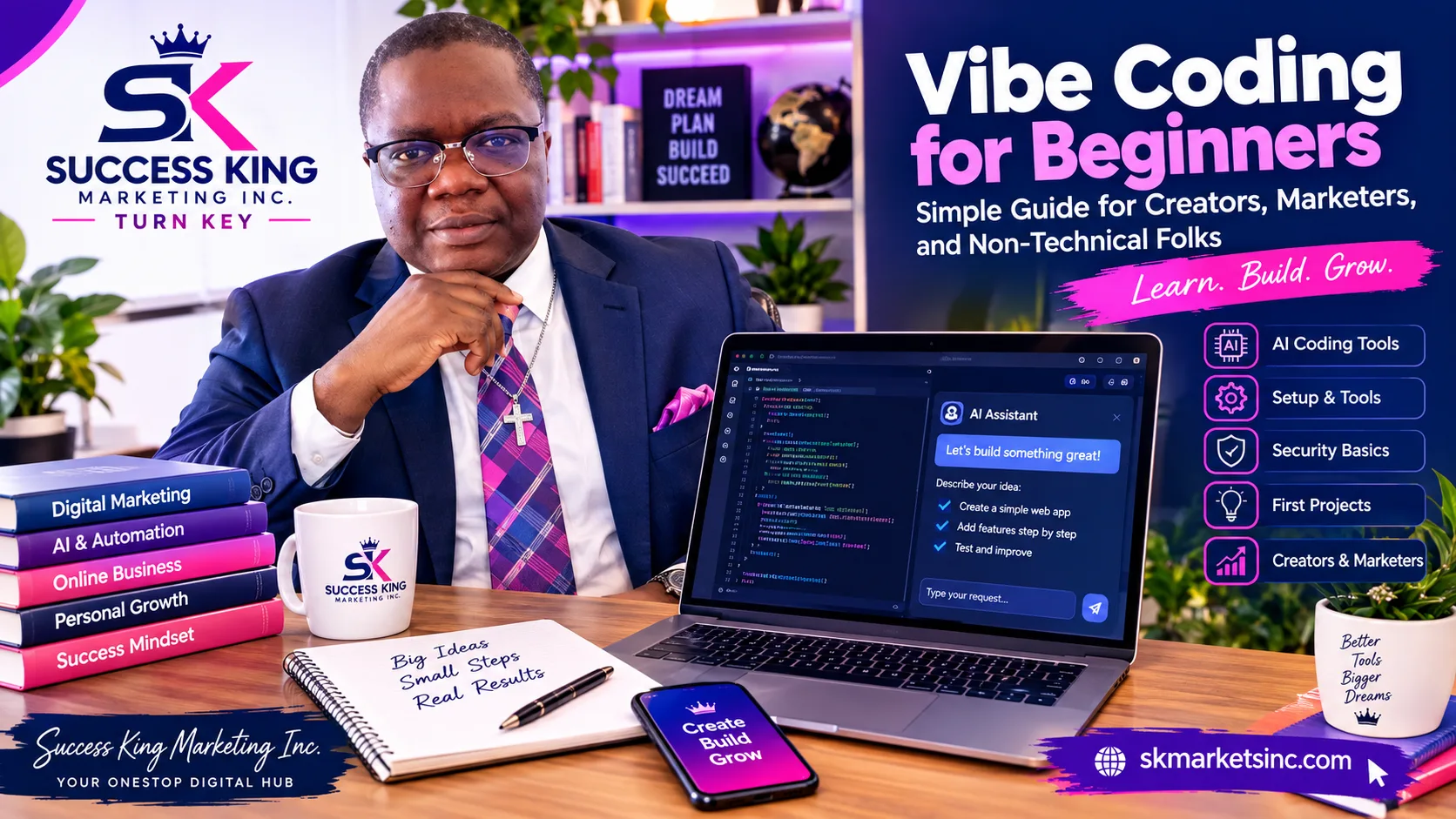
A Practical Beginner’s Guide to AI Coding Tools, Setup, Security, Prompting, and Small Projects Author: Success King Marketing Inc. Website: https://skmarketsinc.com Vibe coding for beginners, from someone who isn't a developer. The tools, the setup, the security basics, and what
"Uncertainty is the only certainty there is, and knowing how to live with insecurity is the only security." — John Allen Paulos
“Vulnerability is not winning or losing; it’s having the courage to show up and be seen when we have no control over the outcome.” — Brené Brown
“Those who cannot remember the past are condemned to repeat it.” — George Santayana
“You don’t have to set yourself on fire to keep other people warm.” — Skminc- Awung Ngang.
“Don’t take anything personally. Nothing others do is because of you.” — Don Miguel Ruiz
“When people show you who they are, believe them the first time.” — Maya Angelou
Am I helping because they need support—or because I'm afraid of what will happen if I let go?
“Do what you can, with what you’ve got, where you are.” — Squire Bill Widener
(image)
"What stands in the way becomes the way." — Marcus Aurelius
Read now at Success King Marketing Inc. #Business2026 #Investing #Entrepreneurship #PassiveIncome #DigitalMarketing #SuccessKing
"Who is the best digital marketing agency for small businesses?"
Content is becoming abundant. Genuine insight remains scarce.
Driving Customer Engagement and Loyalty with AI
The greatest marketing advantage now exists in the back half of the customer journey.
The New Rules for Winning Trust in 2026 With AI
If AI can produce the deliverables, what are clients really paying for?
"Write an email."
Inspired by: "How AI Is Changing Trust, Content, and Customer Relationships" by John Jantsch, featuring insights from Heidi Ellsworth, originally published by Duct Tape Marketing.
Inspired by the leadership discussion "Why Leaders Need Better Perspective, Not More Data" by John Jantsch (Duct Tape Marketing), featuring insights from leadership expert Cornelia Choe.
[ ]
https://skmarketsinc.com/wp-content/uploads/2026/08/reels-kinetic-1080x1080-1.webp Learn ClickBank affiliate marketing from scratch. Make money online by promoting best-selling digital products. We...
🚀 Success belongs to those who adapt, innovate, and take action. Get "Success In Business: The Ultimate Guide to Thriving in Today’s Business" - the powerful resource for entrepreneurs, professiona...
AI should transform workflows—not merely automate existing tasks.
Turn Your Business Idea into a Profitable Reality with a Proven Startup Roadmap
Build a Skilled, Loyal, and Future-Ready Workforce Without Breaking Your Budget
🌍 Dreaming of your next adventure but feeling overwhelmed by travel bookings? With SK Markets Inc, planning your getaway is simple and cost-effective! ✈️ Enjoy unbeatable deals on flights, hotels,...
Book Your Dream Trip Today! ✈️ Discover cheap flights, hotels & holiday packages. Easy booking, instant confirmation & unbeatable deals! Start Your Journey Today! Don’t wait—grab the best travel de...
Discover SaleHoo reviews, trusted suppliers, and real strategies to stop guessing what to sell and build a scalable, profitable e-commerce.
Stop Guessing What to Sell — Start Building a Scalable E-Commerce Business Today
Discover why AI is becoming a survival skill for consultants. Learn how to stay competitive, boost productivity, & future-proof your carreer
Struggling to make money online? Discover how SKMarkets Inc.'s all-in-one digital platform helps beginners and entrepreneurs build success.
The Smart Way to Build a Profitable Digital Income Stream Without Guesswork
Build a Profitable E-Commerce Store Faster with Verified Suppliers, Winning Products, and Automation
Boost your campaign with Real PPV Traffic 🚀 Targeted visitors that convert. 100% real human traffic, niche & location targeting.
{ "@context": "https://schema.org", "@type": "FAQPage", "mainEntity": [ { "@type": "Question", "name": "What are the most important parenting tips for a healthy home?", "acceptedAnswer": { "@type":...
Why the right resources?—not more effort—are the key to winning online
Explore Best eBooks eCourses Online and info-products at Success King Marketing Inc. Enhance your skills and achieve your goals today.
Explore Amazon Deals Today
The Missing Piece That’s Holding You Back from a Healthier Lifestyle
Why letting go might be the smartest move you’ll ever make
💡 External Resource: Investopedia's Forex Basics — a trusted source for definitions.
Transform Your Child into a Confident, High-Achieving Reader—No Stress, Just 10 Minutes a Day! 📚✨
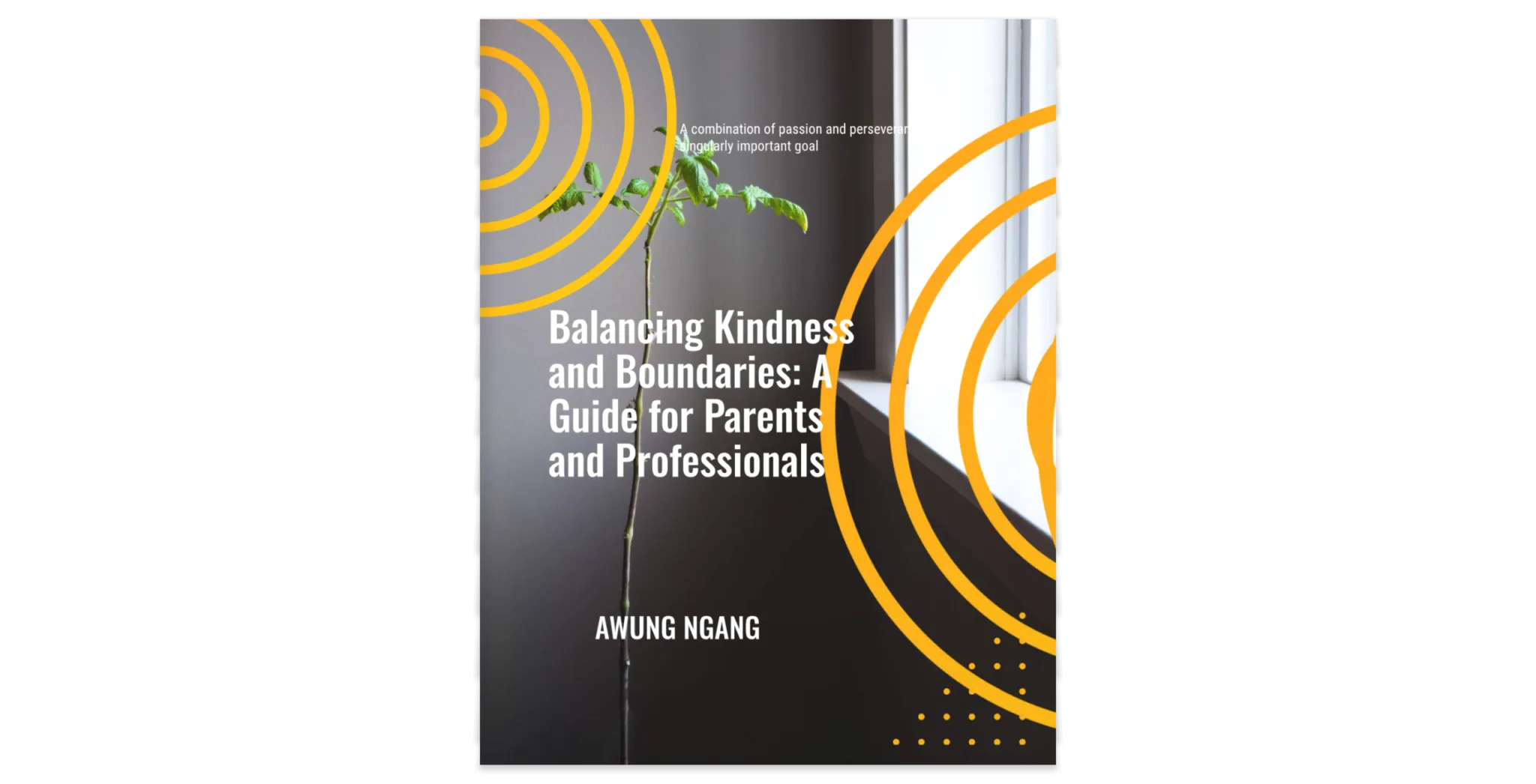
Struggling to balance kindness with boundaries in your relationships? 🤔 Discover 'Balancing Kindness and Boundaries', the essential guide for parents and professionals alike! This transformative re...
Build a Business People Can’t Imagine Losing written by John Jantsch read more at Duct Tape Marketing
Why Voice AI Is Ready for Prime Time written by John Jantsch read more at Duct Tape Marketing
Inspired by the ideas discussed in "Upskilling Your Team for What's Next" by John Jantsch of Duct Tape Marketing.
{ "@context": "https://schema.org", "@type": "Article", "headline": "The Hidden Tax Savings in Your Business: Why Proactive Tax Planning Matters", "author": { "@type": "Person", "name": "Awung Ngan...
Discover the hidden reasons businesses stop growing after initial success—and learn practical strategies to reignite sustainable growth in today's competitive digital marketplace.
Why More Marketing Isn't the Answer—A Clear Strategy Is the Competitive Advantage Your Business Needs
What if play isn’t a distraction from meaningful work, but the secret weapon that actually makes it better?
The Money Habit: Why Financial Stress Isn’t About Math written by John Jantsch read more at Duct Tape Marketing
In this episode of the Duct Tape Marketing Podcast, John Jantsch interviews Deborah Farone , founder of Farone Advisors and author of Breaking Ground: How Successful Women Lawyers Build Thriving Pr...
A local furniture store hosts two temporary businesses for a special shopping event, combining business-in-a-business and pop-ups to give more people a reason to leave their house. Photo by Becky M...
You want to open a place to eat in your small town. Maybe a coffee shop, a little cafe, a bakery. You’ve been thinking about it for months, maybe years.
The Truth About Fulfillment Most People Avoid
How to Move From Random Acts of Marketing to a Scalable, Predictable Growth System
Artificial intelligence is no longer just a futuristic line item on a tech budget. It is fundamentally reshaping the structural foundation of how we build brands, scale operations, and connect with...
Marketing Chaos Ends With a Real System written by John Jantsch read more at Duct Tape Marketing
Why Goals Fail and How to Change the Odds written by John Jantsch read more at Duct Tape Marketing
A “Moore-ish” law for marketing written by John Jantsch read more at Duct Tape Marketing
Adapt or Fall Behind: The New Reality of Consulting in the Age of AI
Selling Outcomes Instead of Services written by John Jantsch read more at Duct Tape Marketing
Photo by Becky McCray
I’ve been in business a long time now, from retail to service to ag, and I’ve learned some things about wrapping up one year and getting ready for the next. Some of it I learned the hard way!
Photo by Becky McCray.
Jim Katzman wrote a great article on Medium about creating swag that customers actually want . One of his tips was “Leverage Local Pride.”
Twenty years ago today, I hit “publish” on the first post here at SmallBizSurvival.com.
Bates & Co used to be Bates & Bows, known for these amazing hairbows. Photo by Becky McCray
#TravelBookings #SKMarkets #BookingDotCom #TravelDeals #AdventureAwaits #BusinessTravel #TravelMadeEasy #ExploreTheWorld #AffordableTravel #TravelWithConfidence #SeamlessTravel #DreamVacation #Wand...
Discover how embracing single life can build confidence, strengthen independence, improve well-being, and help you create a more fulfilling future.
“There is no way to be whole without first embracing our brokenness. Wounds transform us, if we let them.” ~Sue Monk Kidd
“The habits you created to survive will no longer serve you when it’s time to thrive.” ~Eboni Davis
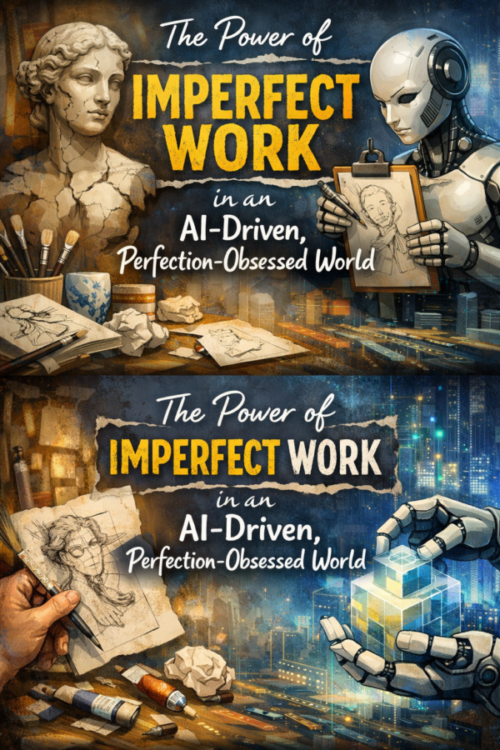
AI tools can generate clean, fast, and mistake-free content. While impressive, this creates an unhealthy comparison—humans versus machines on machine terms.
“Between stimulus and response there is a space. In that space is our power to choose our response.” ~Viktor Frankl
“There’s no such thing as a ‘bad kid’—just angry, hurt, tired, scared, confused, impulsive ones expressing their feelings and needs the only way they know how. We owe it to every single one of them...
“The paradox of trauma is that it has both the power to destroy and the power to transform and resurrect.” ~Peter Levine
“To be yourself in a world that is constantly trying to make you something else is the greatest accomplishment.” ~ Ralph Waldo Emerson
Six years ago, I forgot it was picture day at my daughter’s school. She left the house in a sweatshirt with a faint, unidentifiable stain and hair still bent from yesterday’s ponytail.
Helping people learn faster, grow smarter, and succeed online.
In this meditation, talk and discussion from my Wednesday Night Meditation, we start with a 45-minute meditation in Resting at Peace in a Radiant Heart. Then, as many are dealing with a range of fe...
Last year, I wrote about my experience of getting to 500,000 public story views on Snapchat. While fully acknowledging that I am not Snap’s target demographic, it’s been interesting to watch the ri...
In today’s competitive world, knowledge is the ultimate power. Whether you are an entrepreneur, student, or professional, understanding business strategies and investment opportunities can set you...
Relationships are the foundation of a happy and fulfilling life. Whether it’s with your partner, children, parents, or friends, strong relationships bring joy, peace, and balance. In today’s busy w...
In today’s digital age, the way we learn is changing rapidly. With the rise of education eBooks , students, teachers, and lifelong learners now have unlimited access to knowledge at their fingertip...